

- Article
- Related
The foundry industry is undergoing a transformation driven by the increasing complexity of cast components, growing demand for precision, and a push for faster quality control processes. At the forefront of this evolution is 3D scanning technology, a versatile tool that offers unmatched capabilities for quality assurance (QA) and quality control (QC).
Traditional measurement techniques, such as calipers, dial gauges, and coordinate measuring machines (CMMs), often fall short in addressing modern challenges. These methods are time-intensive, less accurate, and unsuitable for complex geometries. In contrast, handheld laser scanners and advanced 3D metrology software provide rapid, comprehensive, and highly accurate inspections. From mold creation to final product verification, 3D scanning integrates seamlessly into the Product Lifecycle Management (PLM) process.
One significant advantage of 3D scanning is its ability to perform full-surface evaluations with intuitive color-coded comparisons. This enables manufacturers to identify deviations and make informed decisions quickly. Additionally, the technology simplifies data interpretation and fosters better communication across departments, ensuring a cohesive workflow.
Creaform’s expertise in this domain is evident in the benefits realized by foundries worldwide. Clients leverage 3D scanning for first article inspections, tooling validations, and root cause analyses, ultimately optimizing production processes and minimizing non-conformities.
.png?h=900&la=zh-CN&w=1200&revision=362f5c45-9a5f-4dbb-8425-22693a23d161&hash=AB3CE4826FE4183BDD5A21E93F0DBFAD)
Real-World Applications and Industry Insights
Beyond its ability to optimize quality control, 3D scanning technology is redefining how foundries approach various stages of production and problem-solving. Its versatility allows for seamless integration into multiple areas of the manufacturing process, addressing challenges that traditional methods fail to resolve efficiently.
GF Casting Solutions: Reducing Delays with On-Site Scanning
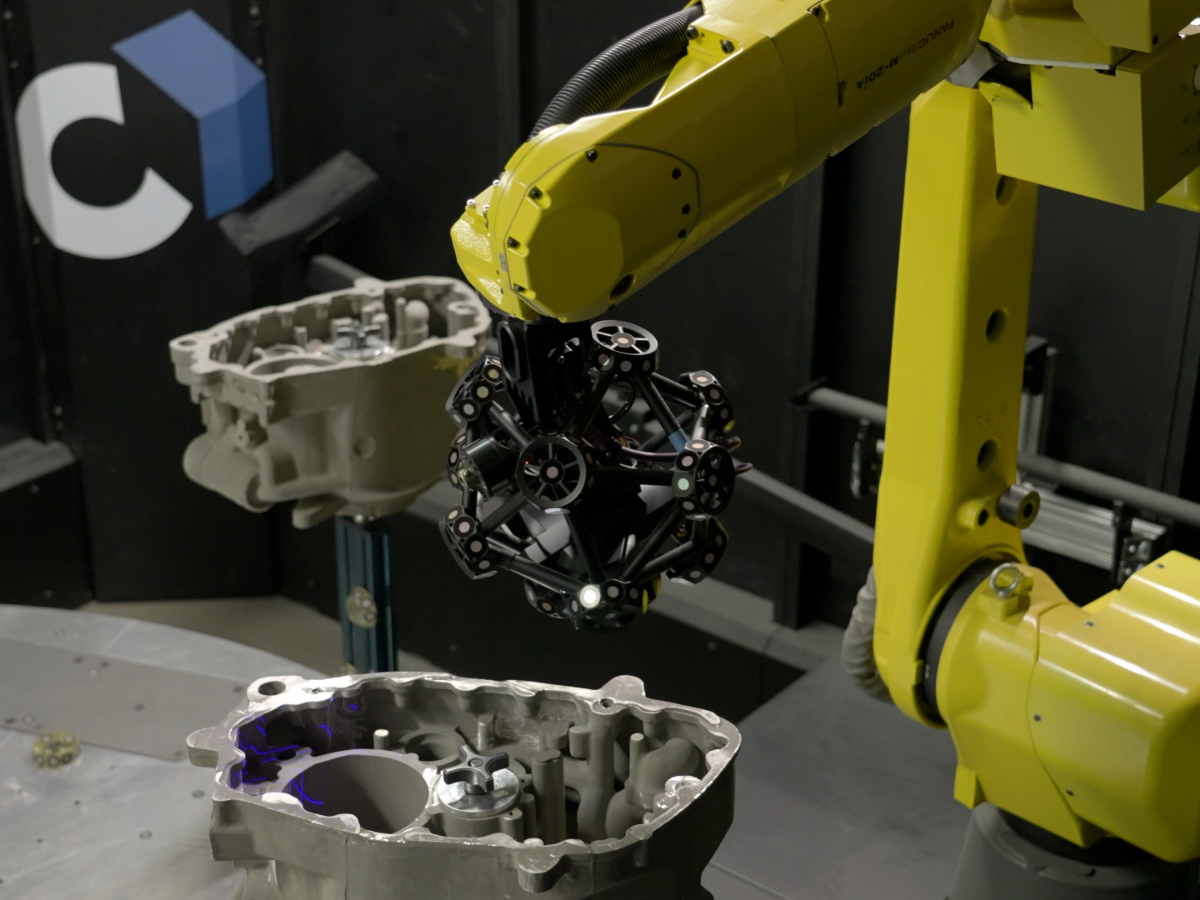
GF Casting Solutions, a leader in automotive manufacturing, produces structural and powertrain components. Previously, they relied on fixed scanning systems in centralized measuring rooms, leading to delays that disrupted production.
By integrating the portable Go!SCAN SPARK scanner and Inspection software module directly into production, GF Casting Solutions revolutionized their approach to quality control. The new setup allowed operators to conduct on-site inspections, reducing turnaround times and enhancing accuracy. Tasks such as analyzing repaired molds and comparing components to CAD models became faster and more reliable. This technology reduced rejects, cut costs, and improved part quality, streamlining their operations significantly.
Hidrostal: Speeding Up Reverse Engineering and Quality Control
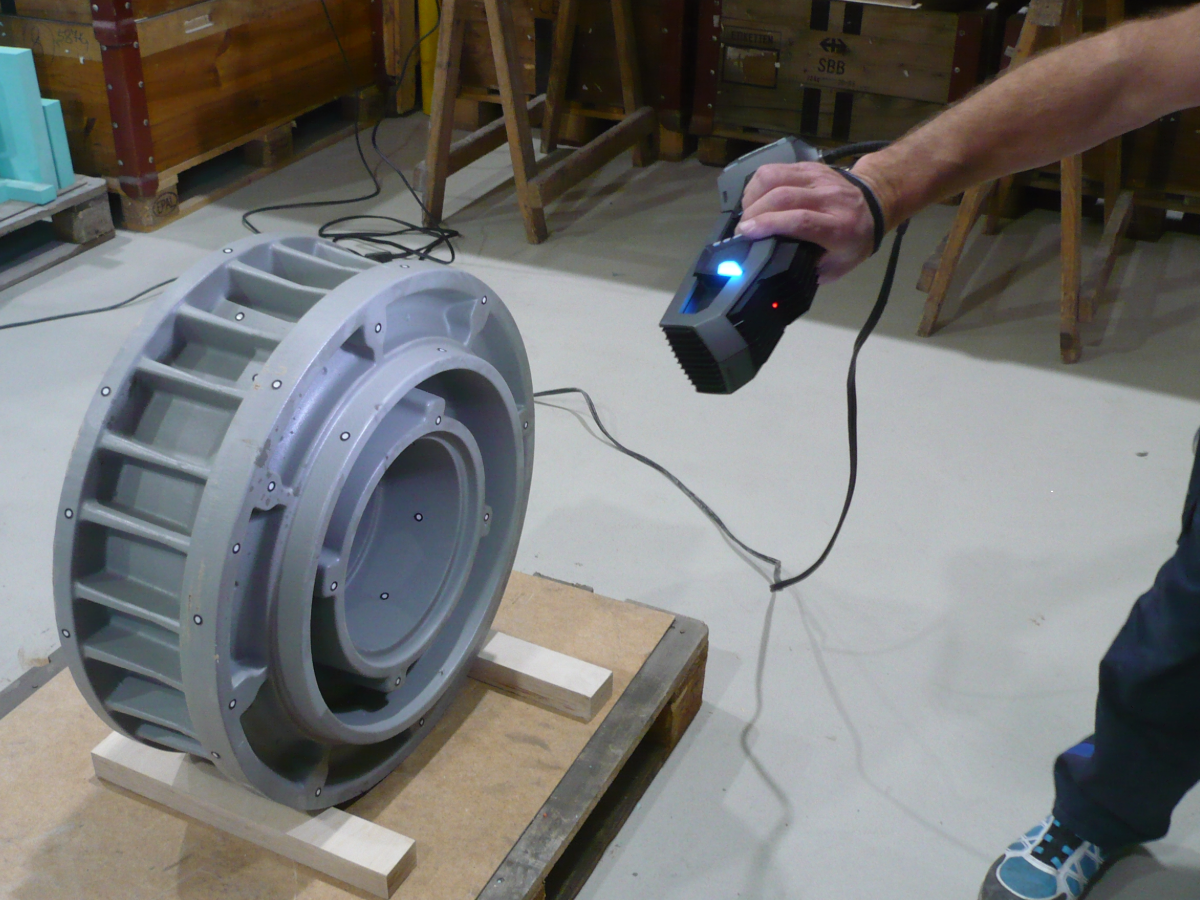
Hidrostal, a Swiss pump manufacturer, faced challenges with conventional optical systems that struggled with accessibility and required extensive preparations like spraying components. To improve precision and efficiency, Hidrostal adopted the Go!SCAN 3D scanner, which simplified the process of capturing intricate geometries and surface details.
The technology enabled the team to reverse-engineer oil chamber casings and compare sand cores with CAD models quickly and accurately. The switch to the Go!SCAN 3D allowed Hidrostal to meet higher quality standards, improve operational workflows, and focus on delivering superior products to their clients.
Conclusion
Investing in 3D scanning technology is not just about staying competitive, it’s about redefining the future of foundry manufacturing. The reliability, accuracy, and portability of Creaform’s solutions make them indispensable tools for addressing modern challenges and driving industry innovation.
The future of foundry manufacturing is undoubtedly tied to the ongoing adoption of 3D scanning technology. As demonstrated by the applications and successes shared by Creaform’s clients, this technology is transforming quality control, speeding up production cycles, and providing manufacturers with a more accurate and reliable way to manage their processes. As the foundry industry continues to evolve, 3D scanning will play a pivotal role in shaping its future.
Published 11/05/2025