

- Article
- Related
Custom vehicle manufacturers specialize in taking an existing vehicle (passenger or recreational) and performing comprehensive modifications or enhancements, transforming the original vehicle into a distinctly new product tailored to new functionalities, aesthetics, or performance requirements.
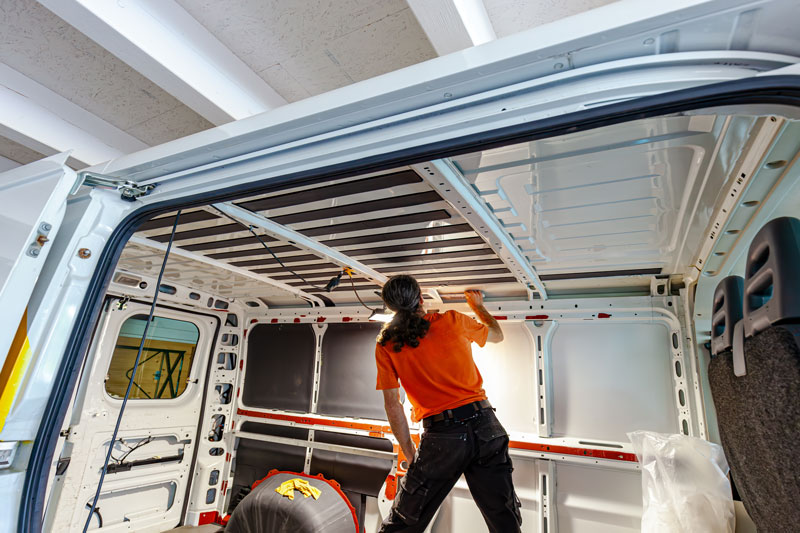
Not just any company can improvise as a custom vehicle manufacturer because the product development process is marked with difficulties. They must integrate new components seamlessly (often without access to the original CAD files) while maintaining structural integrity with the existing vehicle. They must also address the high costs and inefficiencies of low-volume production while meeting tight deadlines and delivering consistent quality.
One thing is certain: Only a precise digital replica of the original vehicle will enable them to create new original designs that will meet their customers’ requirements and expectations.
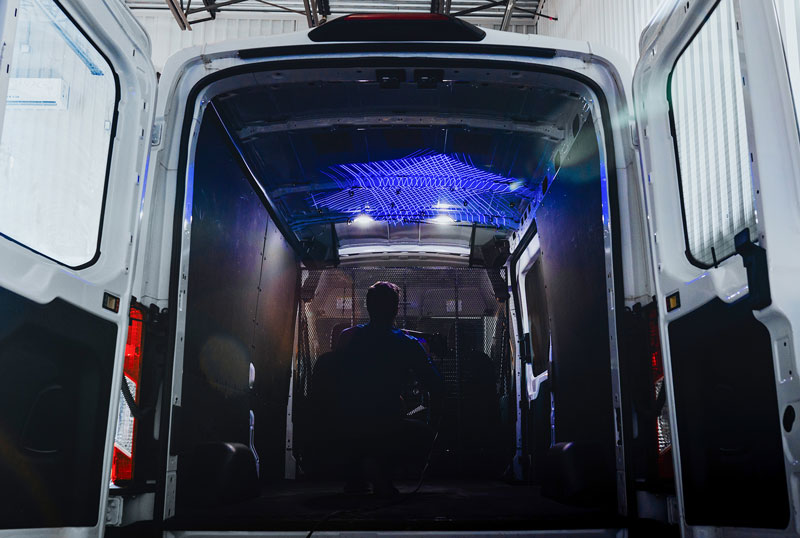
Creating a Digital Replica of the Initial Vehicle
Without prior access to the original CAD file, customer vehicle manufacturers must create a digital replica of the initial vehicle. To do so, two categories of solutions are available.
Traditional tools, such as cardboard and wooden parts, are easily accessible but labor-intensive, time-consuming, and prone to human error while lacking precision. These tools struggle to capture complex geometries and replicate intricate and curved designs, limiting their usefulness in modern vehicles. Adjusting designs involves reworking or recreating these templates entirely. Moreover, achieving consistent accuracy depends heavily on the worker’s skill and experience. Finally, these old-fashioned templates cannot be directly integrated into digital workflows and CAD software, adding inefficiencies to the design process.
Handheld 3D scanners, on the other hand, are portable and versatile, and capture the entire vehicle’s geometry quickly and accurately, generating high-resolution 3D models that can be easily integrated into the reverse engineering workflow.
MAX Series and Scan-to-CAD to Reach the Perfect Fit
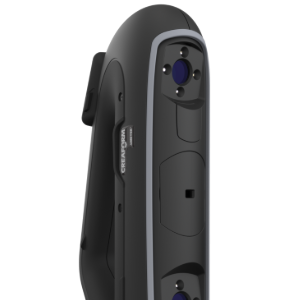
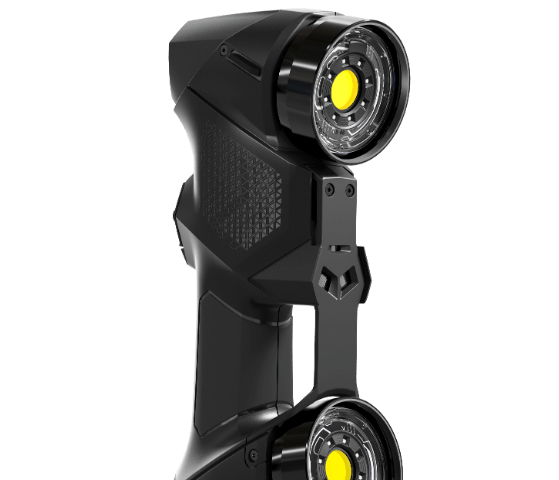
To ensure a perfect first fit, Creaform proposes the HandySCAN 3D|MAX Series, which can capture fine details and scan large volumes equally well with its Flex Volume feature.
Read more about the HandySCAN 3D|MAX Series
To streamline the transition from scan to CAD, Creaform developed the intuitive Scan-to-CAD software module as part of the Creaform Metrology Suite. With Scan-to-CAD, once features are extracted and aligned, all information is transferred parametrically to CAD software, allowing product designers to easily create CAD models with editable parameters, such as dimensions and constraints.
Read more about the Scan-to-CAD software module
Quick Scan, Effective Scan-to-CAD Transition, and Streamlined Design Process
With the MAX Series, engineers or technicians can digitalize an entire vehicle, inside and out, in half a day—one at most. In contrast, creating a complete vehicle mock-up using cardboard or wooden parts can take one to two months and requires skilled workers, while anyone can use a 3D scanner.
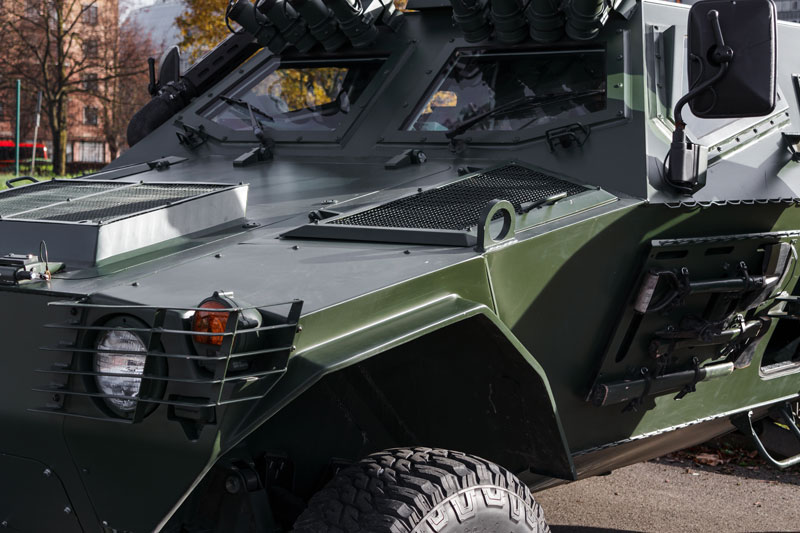 Scan-to-CAD can help customize any type of vehicle, from an RV to an armored car.
 Then, Scan-to-CAD enables product designers to easily extract and align features, and create parametric surfaces. Its intuitive interface provides richer, more complete information, streamlining the transition to CAD software and enabling the design of more tailored and optimized components. With new parts fitting perfectly on the first try, customers receive their custom vehicles faster than expected.
Through this streamlined design process, custom vehicle manufacturers need less skilled craftsmen and get a complete CAD model of the vehicle, verifying structural integrity and weight distribution before construction begins. They can then produce better custom vehicles in less time and at a fraction of the cost of previous projects.
Published 03/12/2025