

- Article
- Related
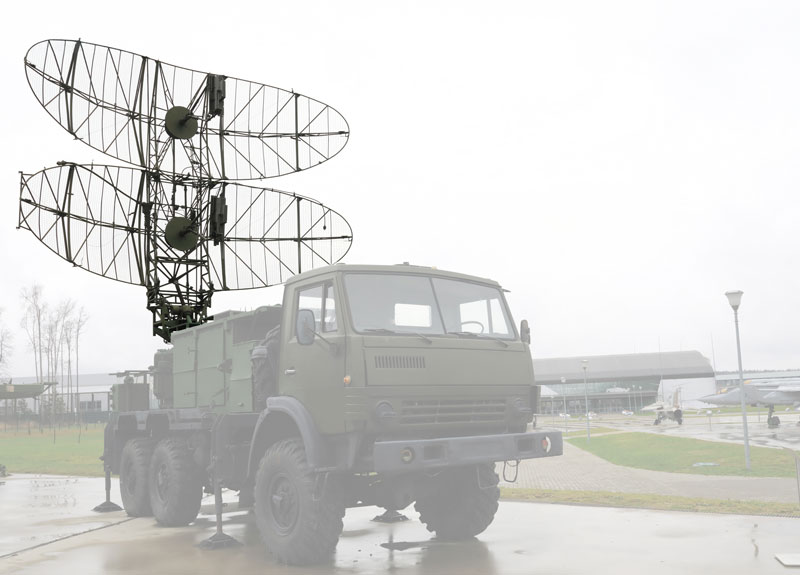
Companies that develop aftermarket parts and accessories to improve vehicle performance, comfort, or safety face significant challenges. They must design parts that seamlessly adapt to and fit perfectly with the vehicle, often without access to CAD files for the environment where the new accessories will be attached.
Whether for performance gains, aesthetic enhancements, or new technology integration, customers expect impeccable results and a perfect fit. However, they are unwilling to wait indefinitely for their upgrades. As a result, manufacturers must not only design aftermarket parts with a perfect fit but also do so without the luxury of countless iterations.
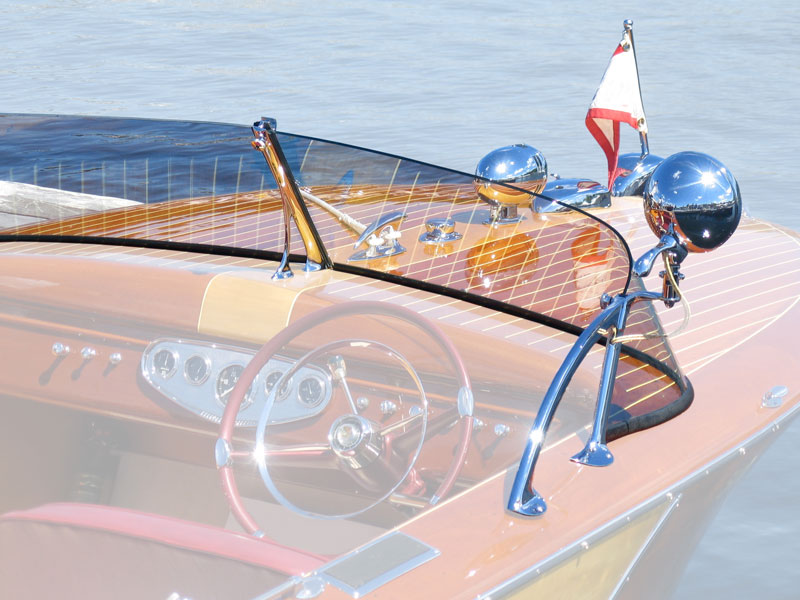
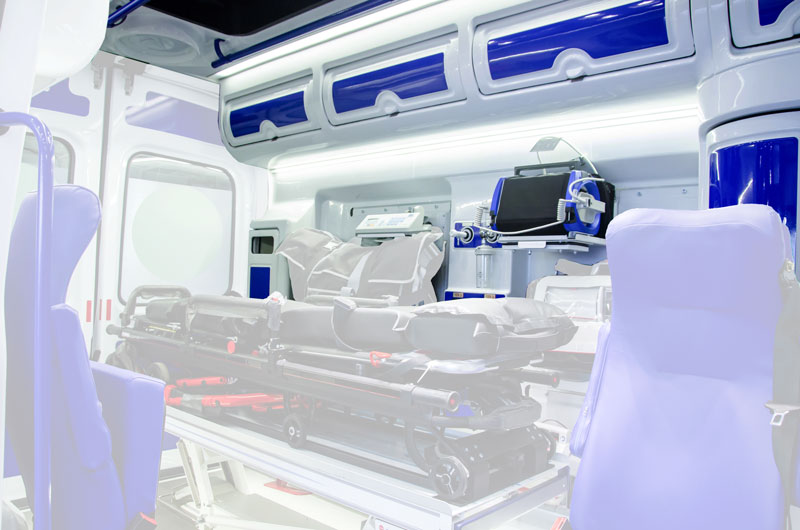
Developing aftermarket parts requires designers to have accurate, high-resolution dimensions of the vehicle to which the part will be attached. Without this, they risk fitting issues, project delays, and added costs. However, this task is challenging because vehicles like cars, boats, tanks, or ambulances are large in size and difficult to measure. Portable measuring solutions with the necessary accuracy and resolution for such extensive environments are also limited.
Measuring Large 3D Surfaces with High Accuracy and Resolution
Until recently, nothing was well-suited and affordable for measuring large parts and complex 3D surfaces on the shop floor. Methods for scanning large parts did not have the required accuracy and resolution. High-accuracy instruments measured only specific probing points, not entire surfaces. Devices capable of accurate 3D surface scanning were simply unaffordable, while affordable options that could provide long-range surface measurements failed to meet accuracy standards. Additionally, optical technologies struggled to measure contrasting or reflective surfaces reliably.
In short, measuring large parts and complex 3D surfaces with a handheld device was laborious, challenging, and sometimes even impossible.
MAX Series and Scan-to-CAD to Reach the Perfect Fit
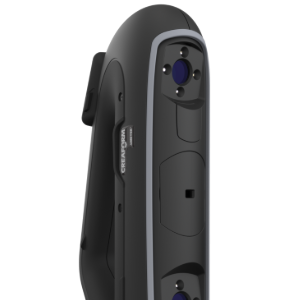
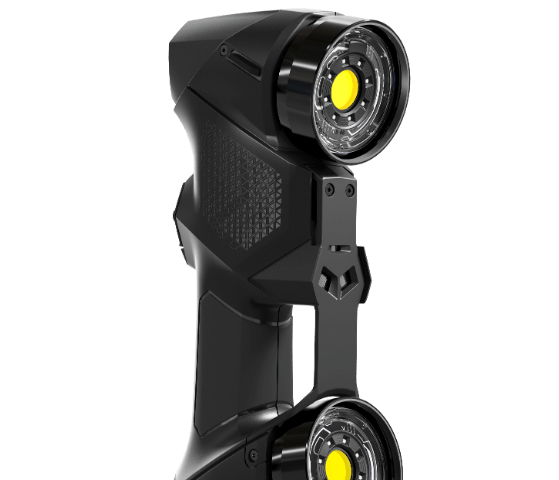
To help aftermarket part manufacturers measure large vehicles, Creaform offers the HandySCAN 3D|MAX Series. With its Flex Volume feature, it excels at capturing fine details and scanning large volumes with equal precision. Additionally, its Smart Surface Algorithm enhances performance and improves readings of difficult, contrasting finishes.
Read more about the HandySCAN 3D|MAX Series
To streamline the transition from scan to CAD, Creaform developed the intuitive Scan-to-CAD software module as part of the Creaform Metrology Suite. With Scan-to-CAD, once features are extracted and aligned, all information is transferred parametrically to CAD software, allowing product designers to easily create CAD models with editable parameters, such as dimensions and constraints.
Quick Scan, Effective Scan-to-CAD Transition, and Streamlined Design Process
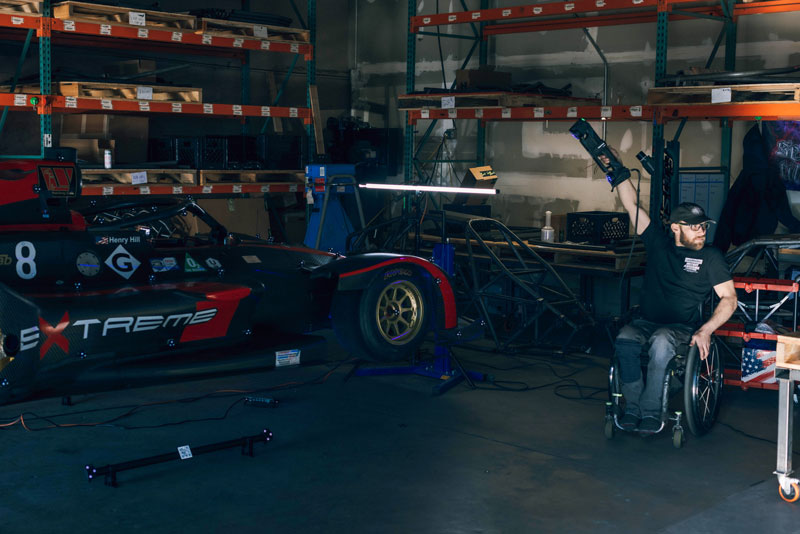
With the game-changing HandySCAN 3D|MAX Series, Creaform unlocks new possibilities by enabling the large-scale scanning of vehicles with reflective surfaces. This plug-and-play system is quick to set up, easy to learn, and capable of capturing complete and accurate 3D scan data of large parts and complex surfaces in just minutes.
Then, Scan-to-CAD enables product designers to easily extract and align features, as well as create parametric surfaces. Its intuitive interface provides richer, more complete information, facilitating faster transitions into CAD software to design better, more tailored and optimized aftermarket parts.
By minimizing the time spent on iterations, designers can accelerate the product development process. This leads to impeccable results, with aftermarket parts fitting perfectly on the first try—delighting customers who can enjoy their upgraded vehicles in record time.
Published 03/12/2025