

- Article
- Related
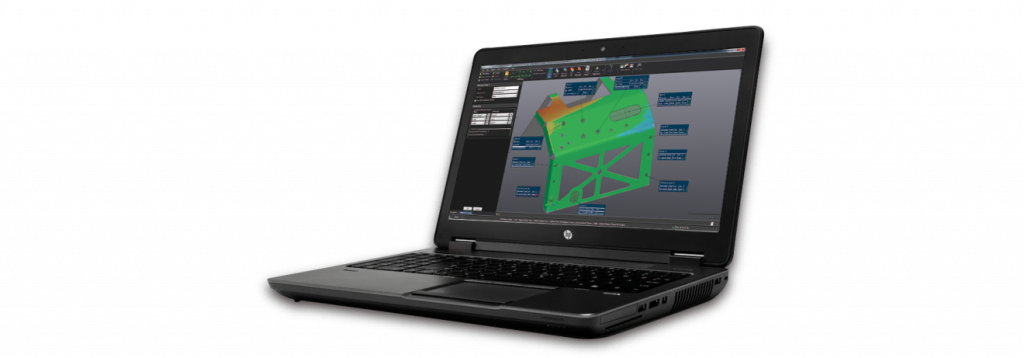
When I first had to work with a dimensional inspection software, I was really astonished at how easy it was to generate an inspection report that included bad and/or invalid measurements. Indeed, I a single option in the software can change all the values in a report. Inspection jobs are performed in very diverse contexts, but most of the time they have a significant impact ($) on the future, so it is of utmost importance to master your quality control software before using it.
The more you become proficient in the inspection software, the more you’ll be confident using it which will result in a significant gain in productivity. Indeed, you will be faster at programming your inspection routines and you will be able to identify the causes of undesired software behaviours more rapidly (e.g., you’ll be able to break down problems more effectively). Less troubleshooting means more productivity but also more pleasant inspections!
In my opinion, the perfect dimensional inspection software should be:
- Super user-friendly and easy-to-learn
- Intuitive but flexible (which are usually opposites)
- Robust and powerful
- Compliant with GD&T standards
- Allow the possibility to generate reports in a very effective way
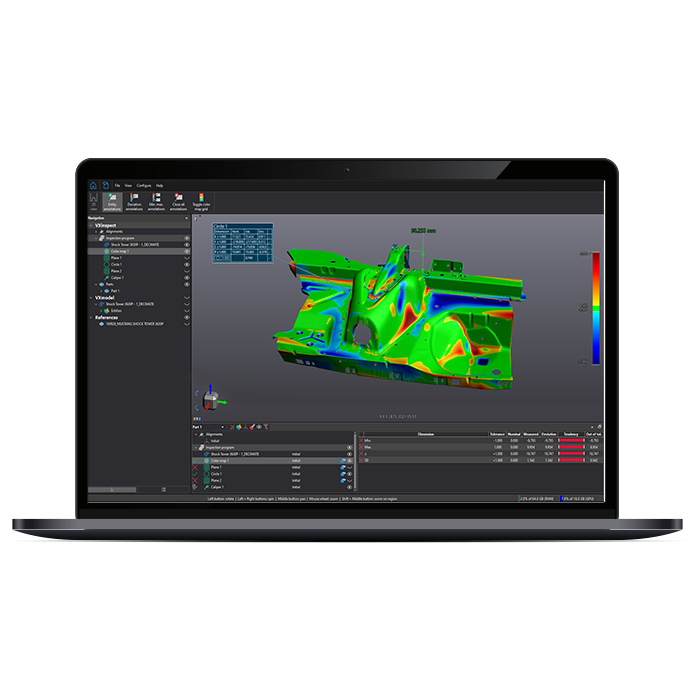
VXinspect, the dimensional inspection software recently launched by Creaform is just in line with these criteria. You can check out its features by visiting our website or download the product brochure.
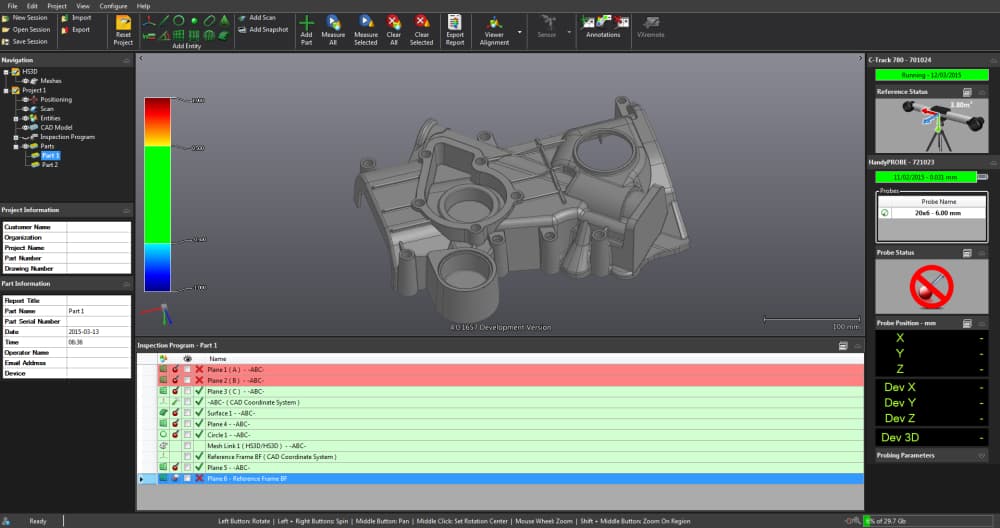
It generally takes quite a while to become familiar with a new quality control software, but the learning curve can be significantly improved by increasing your level of knowledge regarding GD&T. That way, the thousands of available options in some software that seemed intimidating at first may turn out to be quite useful when learning its different functionalities.
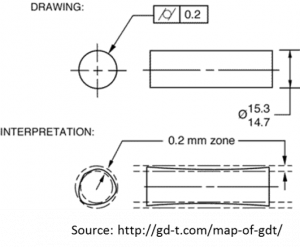
In order to improve your knowledge regarding GD&T, I suggest you to have a closer look at the type of tolerance zones (how does it looks like) for each GD&T callout and understand how the deviation is measured with respect to it. Programming several complex GD&T in a dimensional inspection software is easy, but not understanding the real meaning of the deviations would make you definitely less productive as you will find yourself in a position where you are not confident with your measurements (e.g. large deviations and you don’t know why).
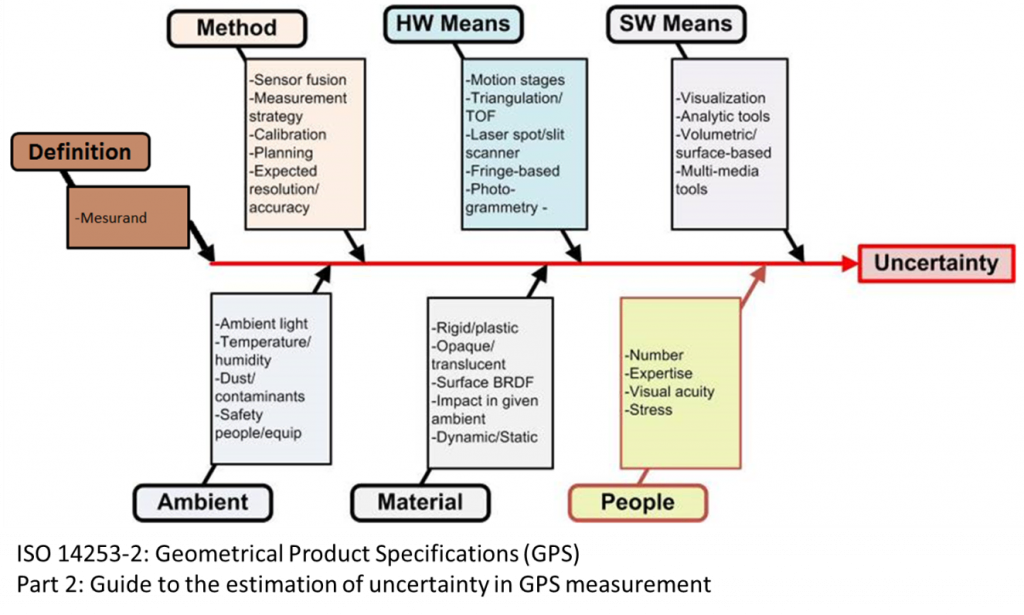
Regarding Metrology, it is always important to be aware of all the possible sources of measurement uncertainties while conducting 3D inspections (because there are so many) and you should always doubt the validity of the result of your measurements. The most common sources of measurement uncertainties are related to the:
- Method (e.g. the measurement span while probing entities)
- People
- Material
- Ambient conditions
- Software and/or the hardware
- Or directly to the definition of what to measure and/or how GD&T is computed
Being aware of the following sources of errors may provide you with explanations/arguments to unexpected deviations (instead of troubleshooting for nothing) and make you more productive using your dimensional inspection software.
Published 07/27/2015