






Interested in the Go!SCAN 3D scanner?
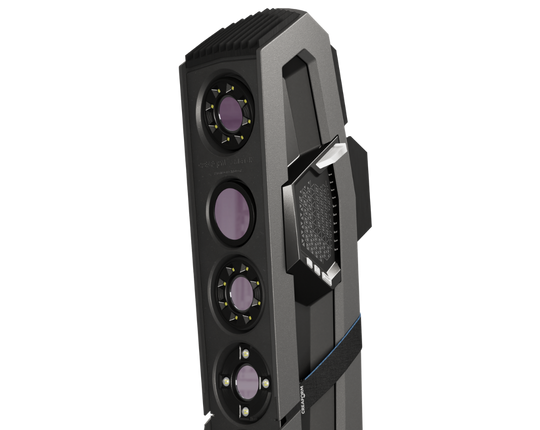
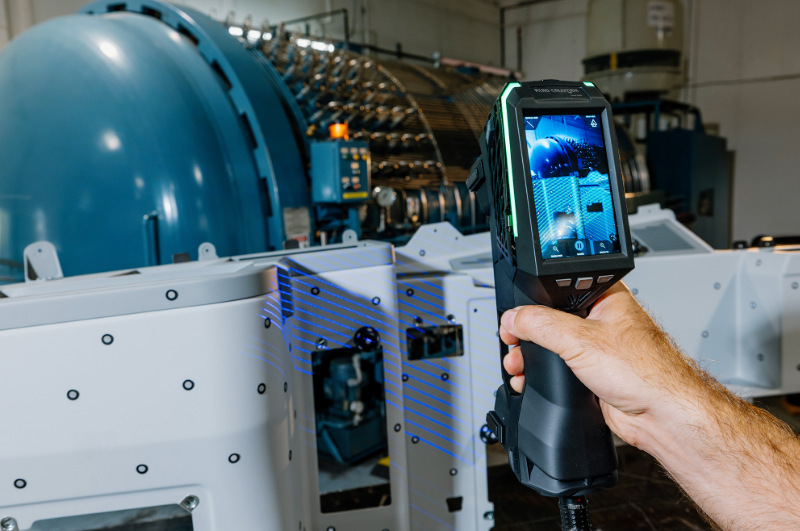
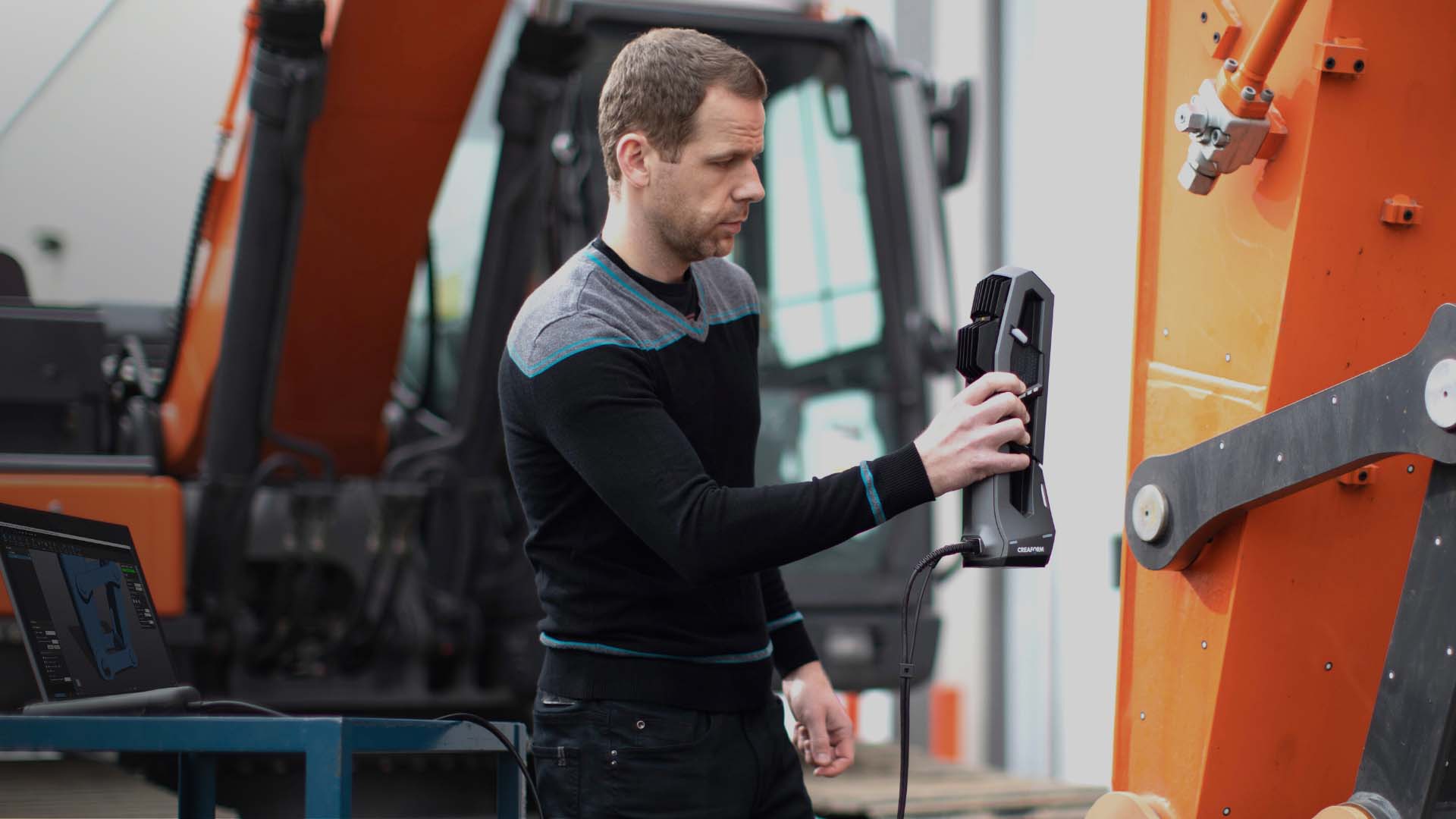
Discover how the Go!SCAN 3D is the ideal scanner for your design and prototyping needs
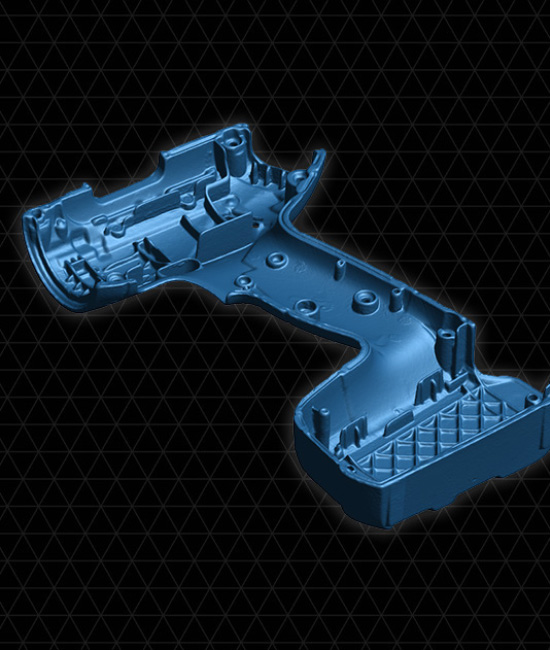
Level of Details & Scan Quality
Reliable results
Resolution of 0.100 mm
High resolution for intricate details
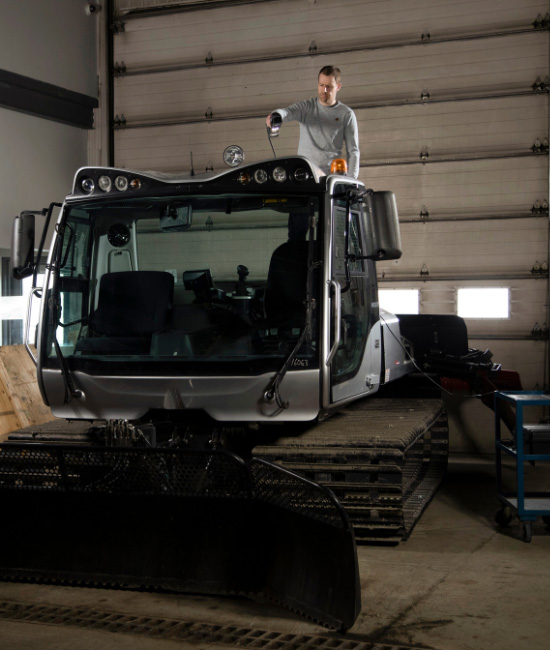
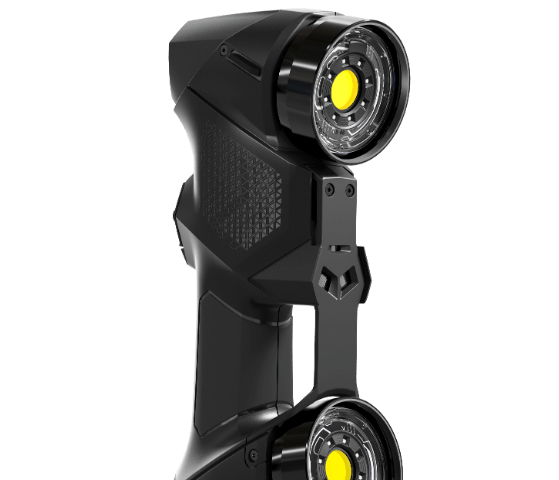
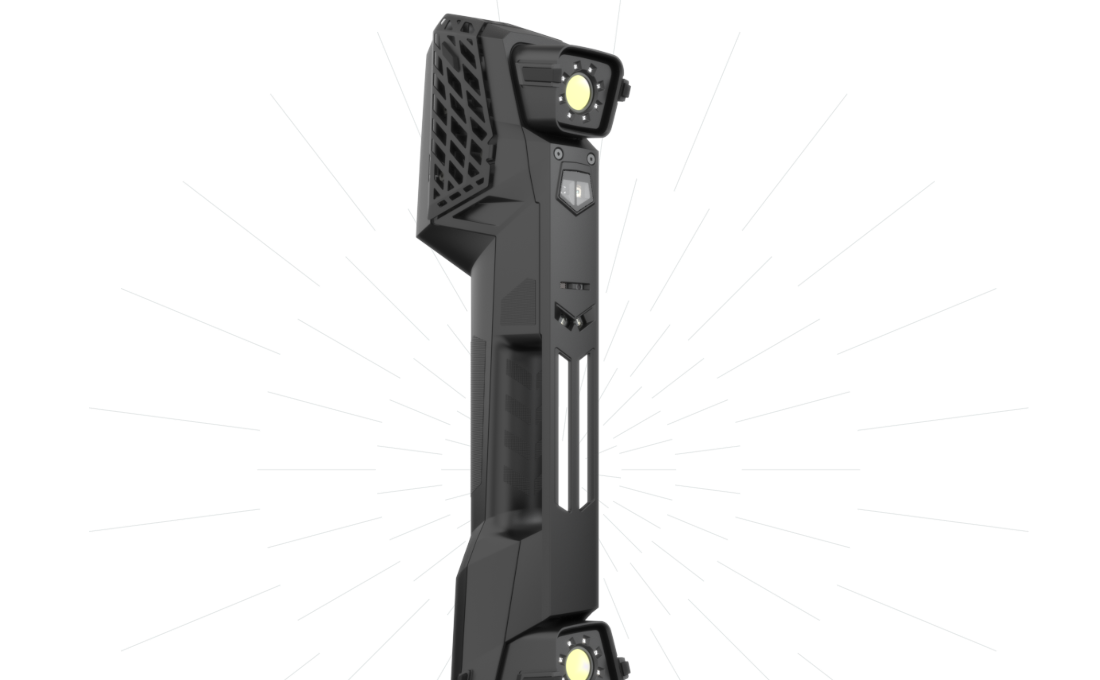
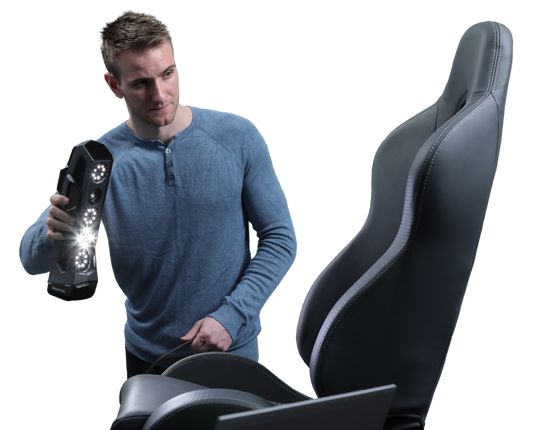
Portable White Light Scanner For Objects
Lightweight
1.25 kg (2.7 lb)
Dynamic referencing
Both the object and scanner can be moved freely during scanning
Fits into a suitcase
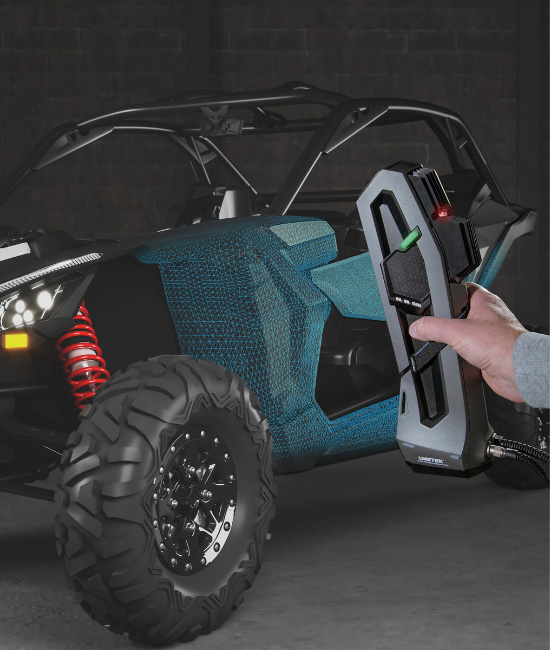
Faster 3D Scanning Process
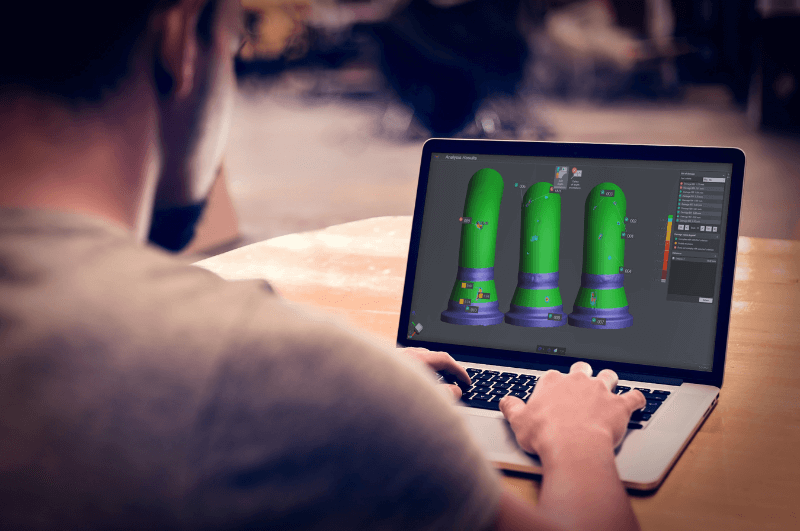
Instant mesh
Ready-to-use files
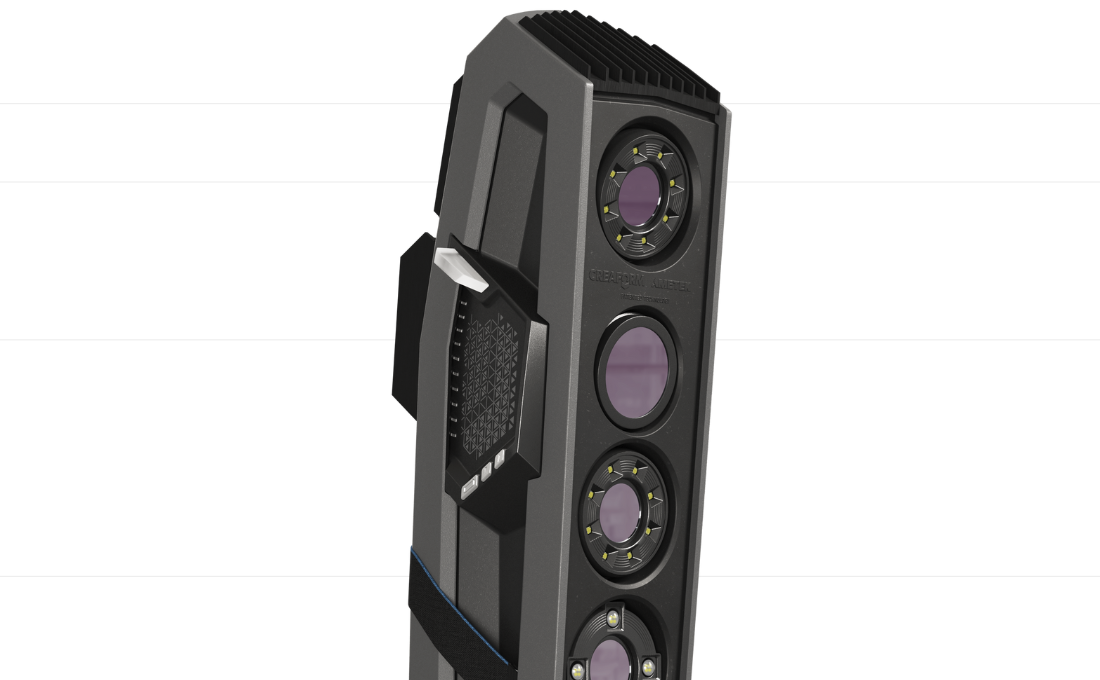
High measurement rate
Up to 1,500,000 measurements/s
99 white light scanning lines
Quick set-up
Up-and-running in less than 2 minutes
Looking for the ultimate portable metrology-grade 3D scanner for quality control or product development?
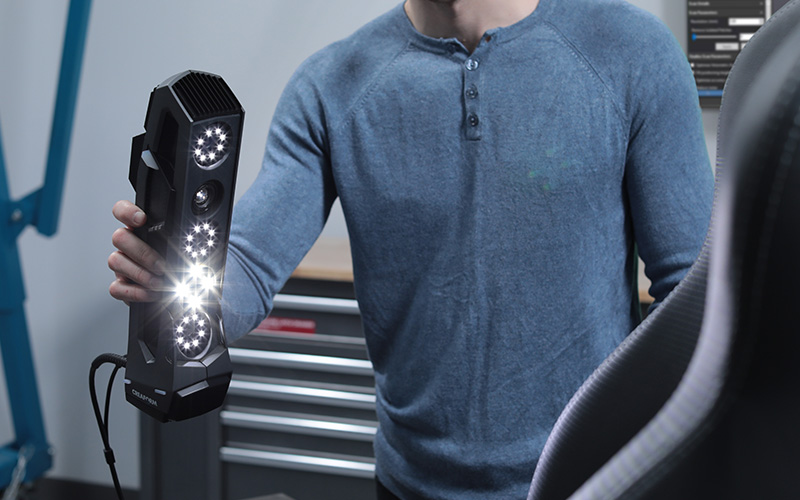
Field of applications
View all solutions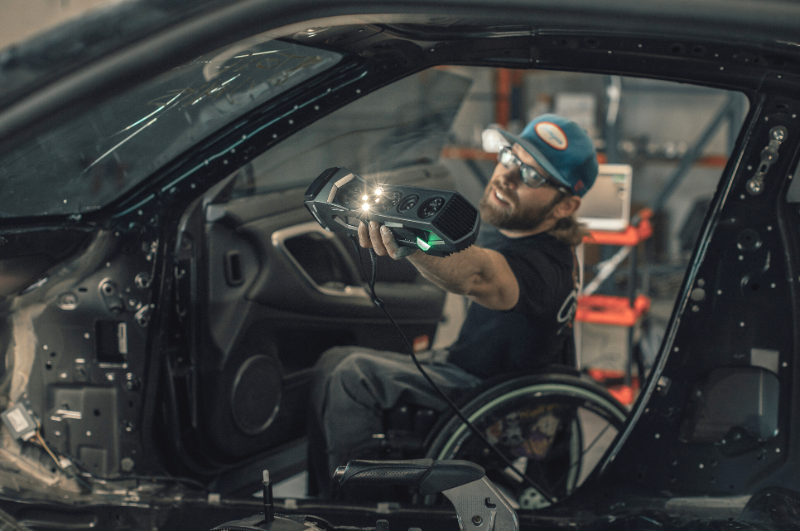
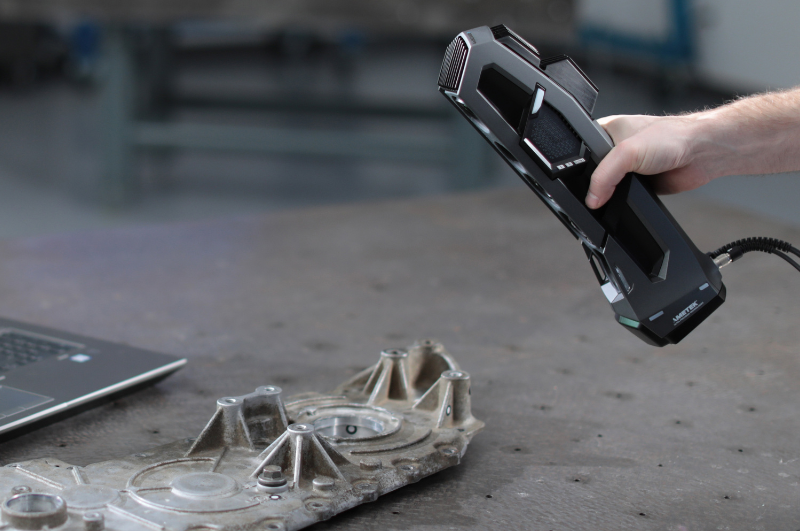
Creaform.OS
The intelligence behind Creaform 3D measurement and scanning solutions
Included with all Creaform 3D measuring and scanning devices, Creaform.OS is a powerful, integrated operating software that ensures seamless hardware-software synergy during acquisition, delivering an unparalleled 3D measurement experience.
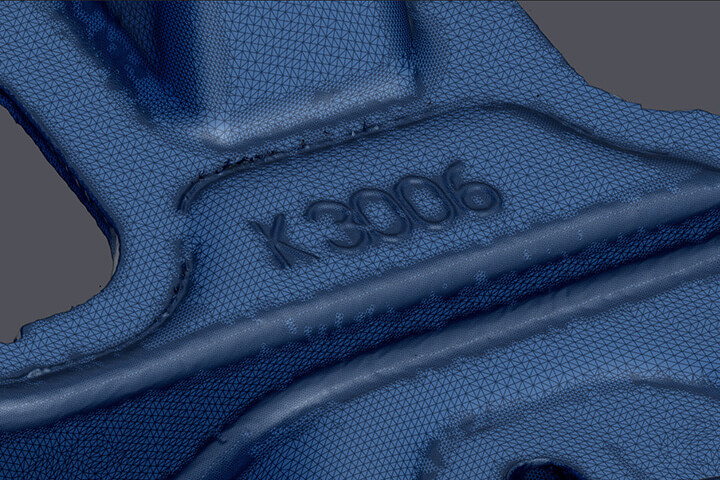
Smart Resolution
Advanced mesh intelligence determines the most preferable resolution level for each scan.
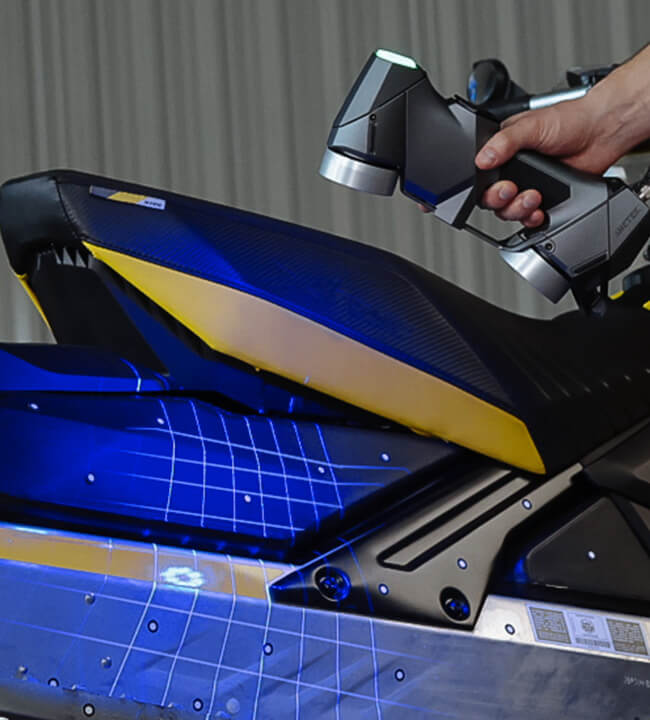
Automatic Shutter
Camera and laser lines optimize surface measurement for better performance on difficult, contrasted finishes.
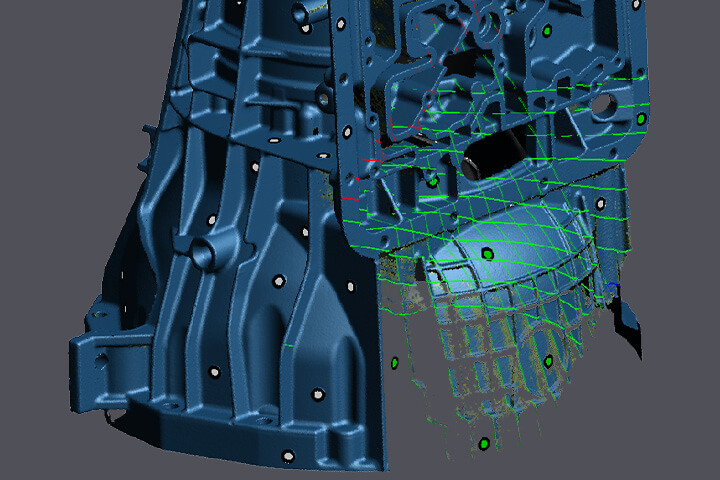
Live Mesh Visualization
The on-screen display directly reflects the 3D model as it takes shape.
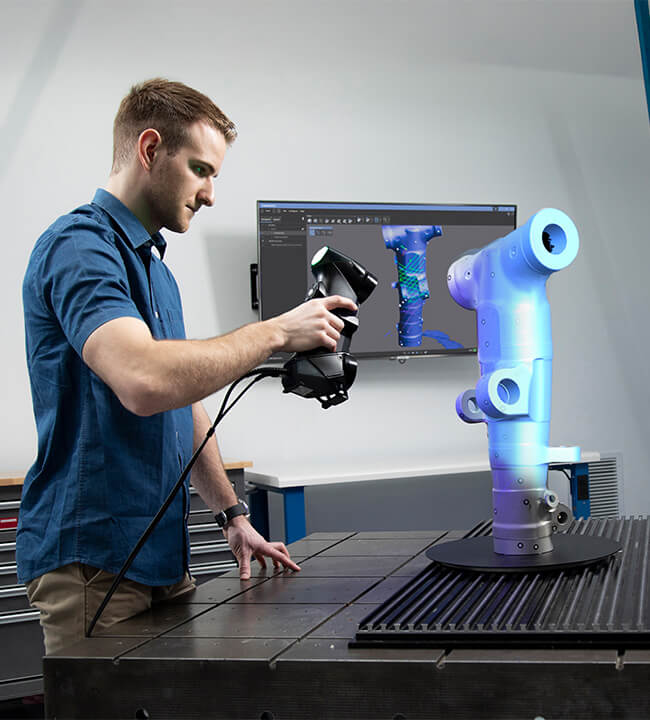
Real-time Feedback
Real-time feedback guarantees optimal acquisition for anyone, at any time.
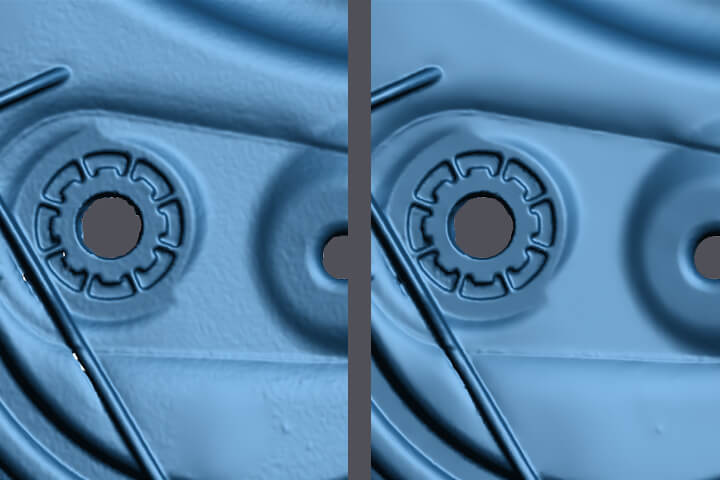
Mesh Enhancement
Sophisticated algorithms provide superior mesh quality.
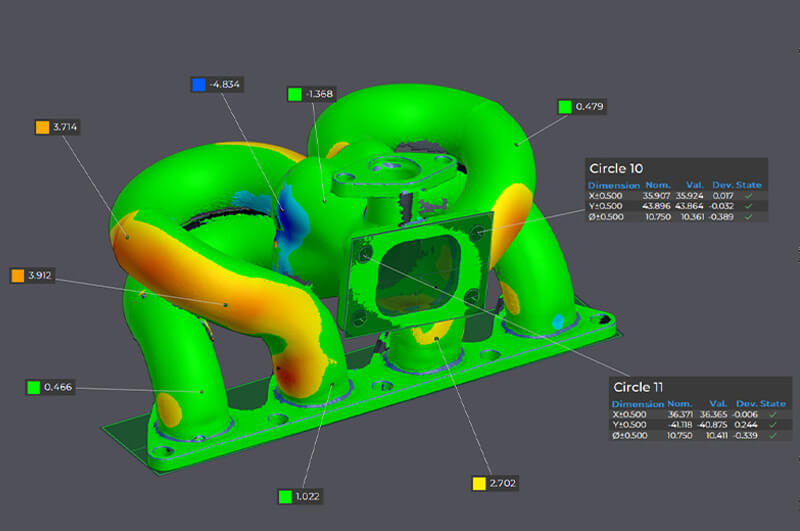
Creaform Metrology Suite™
Proven, reliable 3D metrology software for real-world challenges
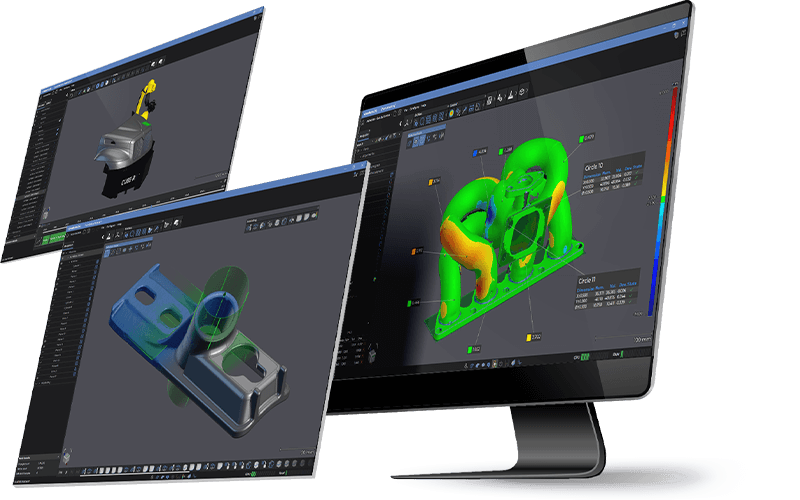
Application Software Modules
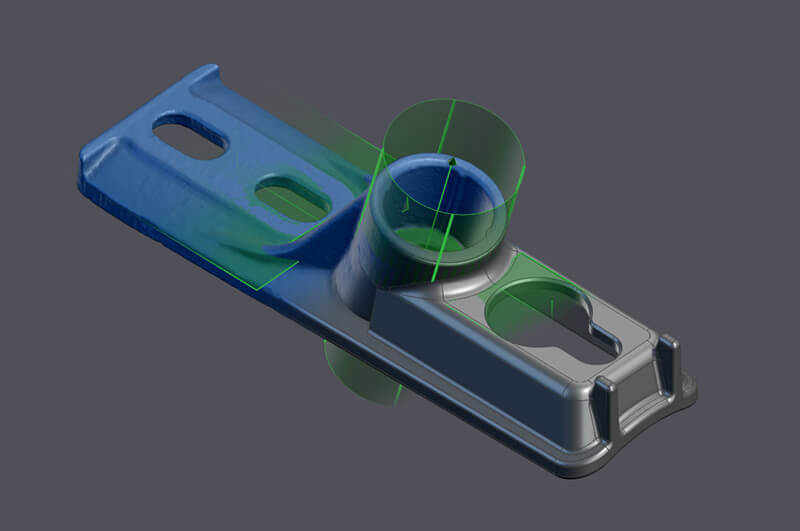
Compatible Software
The Go!SCAN 3D Scanner is compatible with leading 3D metrology and CAD software platforms.






Add-Ons
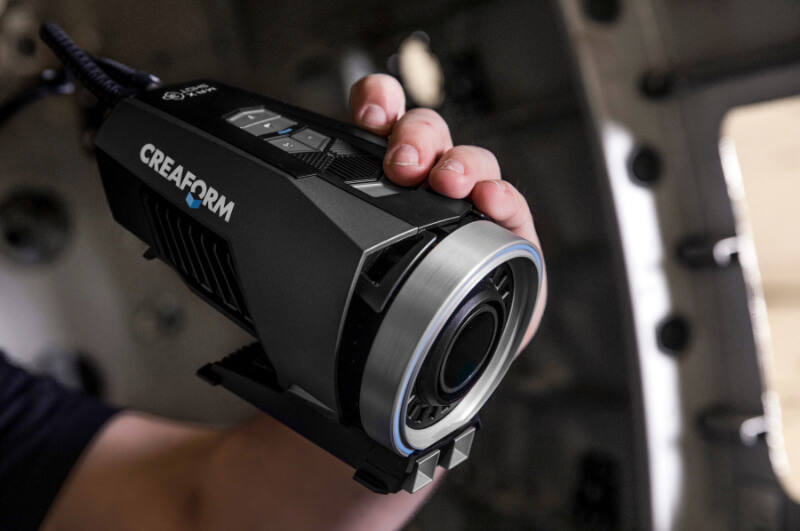
Technical Specifications
View all specs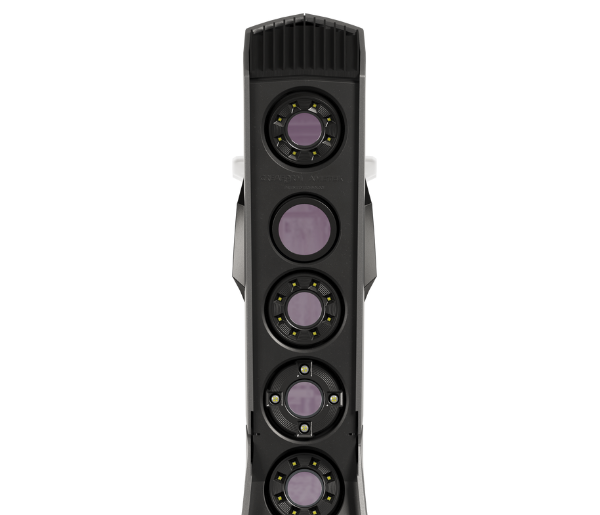
Technical Specifications
View all specsWhich 3D scanner is right for you?
Interested in the Go!SCAN 3D scanner?
FAQ Go!SCAN 3D scanner
-
The Go!SCAN 3D is ideal for product designers and engineers who need fast, accurate 3D models of physical objects. It is particularly well suited for manufacturers looking to accelerate product development, reverse engineering, and design workflows while capturing both geometry and color information.
-
The Go!SCAN 3D can capture a wide variety of objects, from small consumer products and prototypes to larger parts. Its ability to capture complex geometries, freeform shapes, fine details, and color textures makes it suitable for any object that requires a realistic 3D model.
-
Color and texture acquisition is valuable for applications where visual appearance is as important as 3D dimensions. Common examples include industrial design, virtual presentations, digital archiving, product documentation, and the creation of realistic 3D models for visualization, marketing, or additive manufacturing workflows.
-
Not always. The Go!SCAN 3D can use an object's natural geometry and color texture for positioning, eliminating the need for targets in many scanning applications. For objects with limited geometry or texture, positioning targets can be added to improve tracking and scanning performance.
-
White light technology enables fast acquisition of detailed 3D data while simultaneously capturing color and texture information. This allows users to create realistic 3D models that support design, reverse engineering, and product development workflows.
-
Handheld 3D scanners are used across a wide range of industries, including consumer products, transportation, manufacturing, education, medical applications, cultural heritage preservation, and additive manufacturing. They are commonly used wherever teams need to capture real-world objects and transform them into accurate 3D models for design, analysis, or documentation purposes.